Lawn Aeration in Northern Virginia: Why Aeration Matters for Irrigation Performance & Lawn Health
- weblandscapeseo

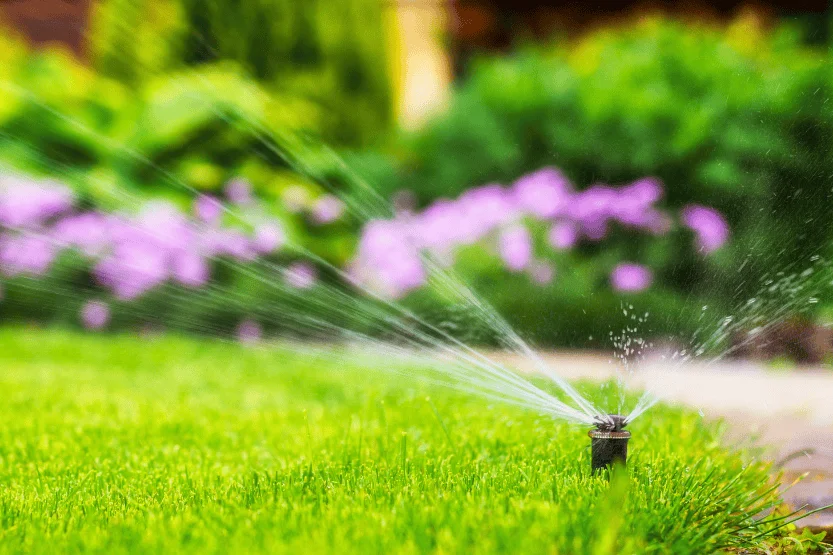
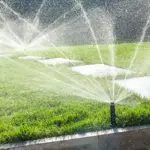
A healthy irrigation system can only do so much if compacted soil prevents water from reaching the root zone. Many homeowners across Northern Virginia deal with sprinkler runoff, dry spots, pooling water, and weak turf, even when their irrigation system is running properly. Lawn aeration helps irrigation systems perform more efficiently by improving water penetration, reducing compaction, and allowing moisture to move deeper into the soil.
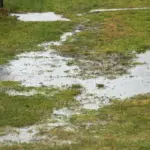
Northern Virginia properties commonly have dense clay soil that becomes compacted over time from rainfall, foot traffic, mowing equipment, and seasonal weather changes. When soil becomes too compacted, sprinkler water struggles to absorb evenly into the lawn. Instead of soaking into the root system, water often runs off the surface, pools in low areas, or evaporates before grass can fully benefit from it.
This is one of the biggest reasons homeowners experience irrigation problems even when sprinkler heads, controllers, and zones appear to be working correctly. Compacted lawns often require longer watering cycles, which can increase water waste and place additional strain on the irrigation system.
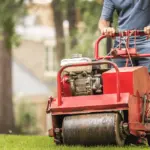
Core aeration removes small plugs of soil throughout the lawn, creating openings that improve airflow, nutrient movement, and water absorption. These openings allow irrigation water to penetrate more deeply into the soil rather than remain trapped near the surface. This creates healthier root development while helping sprinkler systems water more effectively.
Benefits of pairing aeration with irrigation maintenance include:
Professional core aeration in Northern Virginia is especially beneficial for lawns with irrigation systems, as it helps maximize the performance of each watering cycle.
Many irrigation-related lawn problems are actually caused by compacted soil beneath the surface. If your lawn struggles despite regular watering, aeration may be necessary to improve irrigation efficiency and overall turf health. Some common warning signs include:
If these problems continue even after sprinkler adjustments, a lawn aeration service near you may help restore proper soil absorption and irrigation performance.
Fall is usually the best time for lawn aeration in Northern Virginia because cool season grasses recover more effectively during this period. Fall aeration allows irrigation water, fertilizer, and nutrients to move deeper into the soil before winter dormancy arrives. The cooler weather also reduces lawn stress while supporting stronger root growth.
Spring aeration may also benefit lawns with severe compaction or drainage issues. However, fall aeration service is often preferred because it aligns with overseeding and seasonal lawn recovery for cool-season turf varieties commonly found throughout Fairfax County, Loudoun County, and surrounding areas.
Aeration and overseeding are commonly combined because a healthier turf density improves how lawns absorb and retain moisture. Overseeding fills in weak or thinning areas while the aeration holes create ideal seed to soil contact. This process helps establish stronger grass that works more efficiently with your irrigation system.
A thicker lawn supported by proper aeration often requires less corrective watering because moisture distributes more evenly throughout the soil profile. Over time, this can help improve irrigation efficiency while reducing stress on sprinkler components and reducing water waste.
Yes, lawns with sprinkler systems can absolutely be aerated when performed carefully by experienced professionals. Irrigation heads, valves, and underground lines should always be marked before aeration begins to help prevent accidental damage. Professional crews familiar with aeration with sprinkler systems know how to safely navigate irrigation layouts while still providing complete lawn coverage.
Aerating around sprinkler systems is actually one of the best ways to improve irrigation performance long-term. Better soil penetration helps sprinkler systems water more evenly while reducing pooling and surface runoff during watering cycles.
Most irrigated lawns in Northern Virginia benefit from annual core aeration due to the region’s clay-heavy soil conditions and regular watering cycles. Properties with heavy foot traffic, poor drainage, or frequent irrigation use may sometimes benefit from aeration twice per year, depending on soil conditions. Regular aeration helps maintain better water movement and reduces the likelihood of compaction-related irrigation problems.
Professional lawn inspections can help determine the ideal aeration schedule based on turf health, irrigation performance, drainage conditions, and seasonal lawn goals. Reach out to your local inspectors, like Hydro-Tech Irrigation.
One of the biggest hidden benefits of lawn aeration is improved water efficiency. Compacted lawns often force homeowners to water longer because moisture cannot properly penetrate the soil. Aeration helps irrigation water absorb more efficiently, reducing runoff and improving the effectiveness of each watering cycle.
This becomes especially important during hot Northern Virginia summers when lawns experience increased heat stress and irrigation demand. Better water absorption helps support healthier turf while improving long-term irrigation performance.
If your lawn struggles with runoff, dry spots, pooling water, or uneven irrigation coverage, professional lawn aeration may help improve your sprinkler system’s performance. Aeration creates healthier soil conditions that allow irrigation systems to work more effectively while supporting stronger turf growth throughout the year. Combining lawn aeration with irrigation maintenance and seasonal sprinkler inspections can help improve water efficiency, reduce lawn stress, and create healthier long-term lawn performance across Northern Virginia. Contact us today!