New Construction Irrigation in Northern Virginia: What Homebuilders and New Homeowners Need to Know
- weblandscapeseo

A new construction irrigation system in Northern Virginia is best planned as part of the overall property build, not as an afterthought once sod, plants, patios, and walkways are already in place. Proper timing lets you install irrigation lines, sleeves, sprinkler zones, and controls with fewer disruptions while giving the finished landscape the coverage it needs from the start.
For homebuilders, that means coordinating irrigation with grading, utilities, hardscaping, and landscaping. For new homeowners, it means understanding how the system was designed, how to operate it, and what maintenance will be required after moving in.
The best time to install irrigation in new construction depends on how far along the property is. Some components need to be considered early, while the main system is typically installed closer to the landscaping phase.
Construction Stage | Irrigation Consideration |
Early site planning | Identify water source, controller location, landscape layout, and future irrigation needs |
Before concrete and hardscaping | Plan or install sleeves beneath driveways, sidewalks, patios, and other permanent surfaces |
After major utility work and grading | Confirm irrigation routes and finished elevations |
Before sod and plant installation | Install sprinkler lines, valves, heads, and drip irrigation |
After landscaping is completed | Adjust coverage, program zones, and test the complete system |
Installing too early can expose irrigation components to damage from construction equipment or later grading changes. Waiting until everything is finished, however, may require disturbing newly installed turf, planting areas, or hardscaping.
A sprinkler system for a new build should be designed according to what the property will look like when construction is complete. The irrigation plan needs to account for more than the lawn’s square footage.
Important design factors include:
Different parts of the property may need different amounts of water. Separating turf, shaded spaces, planted beds, and other landscape areas into appropriate irrigation zones makes it easier to control watering without treating the entire property the same way.
New construction involves several contractors working on the same property, so irrigation lines need to be coordinated with utilities, drainage systems, landscape lighting, retaining walls, patios, and other outdoor improvements.
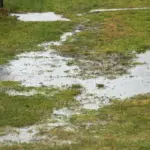
Drainage is especially important because irrigation cannot correct poor grading or persistent surface-water problems. Planning irrigation, drainage, and landscape lighting together can reduce conflicts between systems and avoid unnecessary trenching once the property is finished.
For builders, irrigation planning is largely about coordination. The installer needs accurate information about the finished landscape and enough access to complete the work without interfering with other trades.
Before a builder’s irrigation installation in Virginia, confirm:
Making these decisions early can reduce last-minute changes and help ensure the irrigation system matches the property delivered to the homeowner.
New construction is a good opportunity to start with current irrigation technology instead of installing a basic system that may need upgrading later. Smart controllers make it easier to adjust watering schedules as weather and landscape conditions change.
They can be particularly useful during the first season after construction because new sod, trees, shrubs, and established turf may have different watering requirements. Separate zones and flexible scheduling give homeowners more control as the landscape becomes established.
A newly installed irrigation system still requires a proper handoff. Homeowners should know where the shutoff is located, how the controller works, and which landscape areas are assigned to each zone.
Before relying on the system long-term, check that:
Understanding these basics makes it easier to spot problems early and adjust watering as the property changes.
A new system isn’t maintenance-free just because the equipment is new. Sprinkler heads can shift, landscaping can grow around them, watering schedules need seasonal adjustments, and Northern Virginia winters require proper shutdown procedures.
Routine care may include spring activation, inspections, head adjustments, repairs, backflow testing where required, and winterization. Hydro-Tech Irrigation also provides annual irrigation service options for homeowners who want ongoing system maintenance.
One of the biggest mistakes with an irrigation system for a new home in the DMV is waiting until the landscape is nearly complete before planning it. At that stage, new sod may need to be disturbed, and hardscaping can limit pipe routes.
Planning irrigation alongside grading, drainage, hardscaping, and landscaping creates a cleaner installation and gives the system a better foundation for long-term performance.
Whether you are a homebuilder coordinating the final stages of a project or a homeowner preparing a newly built property for landscaping, plan irrigation around how the entire site will function.
Hydro-Tech Irrigation provides new irrigation system design and installation throughout Northern Virginia and the DMV, along with smart irrigation technology, repairs, drainage solutions, landscape lighting, backflow testing, and ongoing system maintenance. Contact us today to discuss your new construction irrigation needs and plan a system that fits your property from the beginning.