The Complete Spring Irrigation Startup Checklist for Northern Virginia
- weblandscapeseo

Starting your irrigation system the right way after winter helps prevent damage and keeps your landscape healthy. A proper spring sprinkler startup checks controllers, valves, sprinkler heads, and water pressure before regular watering begins.
For homeowners in Northern Virginia, the process also includes checking thawed soil conditions and running each zone carefully. Following a clear sprinkler system startup checklist helps avoid leaks, broken pipes, and wasted water during the first weeks of spring.
Before performing an irrigation system spring turn on, it is important to make sure the ground has fully thawed. Frozen soil can place pressure on buried pipes and cause cracks once water flows through the system.
In Northern Virginia, irrigation systems should only be activated when the soil is thawed at least 12 inches deep. Starting the system too early is one of the most common causes of spring irrigation damage.
What to check first
A careful system pressurization is one of the most important steps in any spring sprinkler startup. Turning on the water too quickly can create a water hammer, which can damage pipes, fittings, and valves.
Gradually restoring water pressure allows the irrigation lines to fill safely. This reduces the risk of leaks and helps protect older irrigation systems. Here are the steps to safely pressurize the system
Your irrigation controller manages the entire watering schedule. After months of winter inactivity, it is important to confirm that all settings are working properly before running the system. Many homeowners overlook this step, but incorrect controller settings can lead to overwatering or dry areas across the property.
Controller inspection checklist
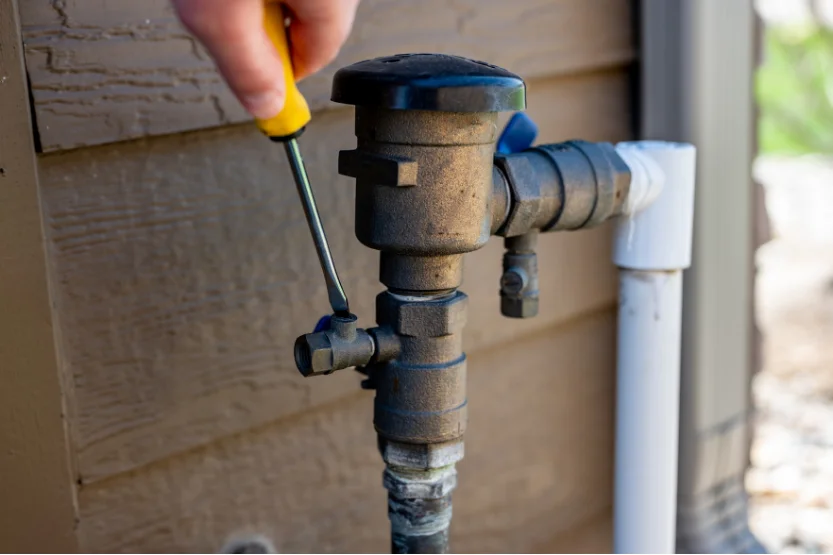
The backflow preventer protects your home’s drinking water from contamination. In many Northern Virginia areas, local regulations require this device to be installed and properly maintained. After winter, the backflow assembly should be reassembled and inspected before water flows through the system.
Backflow device startup checks
A zone-by-zone inspection is a critical step in any sprinkler system startup checklist. Running each irrigation zone separately helps identify leaks, broken sprinkler heads, or clogged nozzles. This step allows you to confirm that every area of the property receives even water coverage before regular watering begins.
Zone inspection steps
Over time, sprinkler heads can shift due to soil movement, winter freezing, or lawn maintenance. Misaligned heads often spray sidewalks, driveways, or fences instead of watering the turf. Proper adjustments improve watering efficiency and help reduce unnecessary water waste.
Common sprinkler head adjustments
Rain sensors prevent irrigation systems from running during rainfall. If these sensors are dirty or malfunctioning, your system may water unnecessarily. Cleaning and testing the sensor helps improve water efficiency and prevents irrigation from running during storms.
Rain sensor inspection tips
A proper spring sprinkler startup helps prevent leaks, pressure issues, and uneven watering. Hydro-Tech provides professional irrigation system spring turn on services in Northern Virginia, carefully pressurizing the system, inspecting each zone, and adjusting sprinkler heads. This service helps catch hidden problems early and keeps your irrigation system running efficiently for the season.
Starting your irrigation system correctly each spring helps prevent leaks, broken pipes, and wasted water. Following a proper sprinkler system startup checklist allows homeowners to identify problems early and maintain healthy turf during the growing season. If you want a safe and reliable irrigation system spring turn on, contact our team today to schedule professional service and get your sprinkler system ready for spring.