Dry Creek Bed vs. French Drain vs. Catch Basin: Which Drainage Solution Does Your Yard Actually Need?
- weblandscapeseo

Choosing between a dry creek bed, French drain, and catch basin starts with understanding how water behaves in your yard. French drains help with persistently wet or oversaturated areas; catch basins collect standing surface water, while rock-lined channels can help move runoff across larger areas.
For Northern Virginia properties, no single drainage system works for every situation. Soil conditions, low spots, downspout runoff, and the direction water travels across the property all affect which drainage solution is best.
These drainage approaches may look similar in purpose, but each handles water differently. The best option depends on whether water is moving across the surface, collecting in one low spot, or keeping a larger section of soil saturated.
Drainage Option | Best Suited For | How It Manages Water |
Dry Creek Bed | Visible runoff and erosion | Creates an open path for surface water |
French Drain | Soggy or oversaturated lawn areas | Collects water and distributes it into the subsoil |
Catch Basin | Puddles and concentrated surface water | Captures water at a low point and directs it away |
A French drain is useful when sections of the lawn remain wet after rain or snow has passed. Instead of simply removing a visible puddle, the system helps relieve areas where excess moisture is continually saturating the soil.
Hydro-Tech installs EZ-Flow® French Drain systems, a gravel-free drainage solution designed to collect surface water in swales and low areas and distribute it into the subsoil. A French drain may make sense when you notice:
Catch basins work best when water repeatedly collects at a specific surface location. The basin acts as an inlet, capturing standing water and directing it into connected drainage piping. Hydro-Tech offers catch basins and atrium grates for planting areas and other locations where puddling can affect turf or root systems. These systems are often considered when:
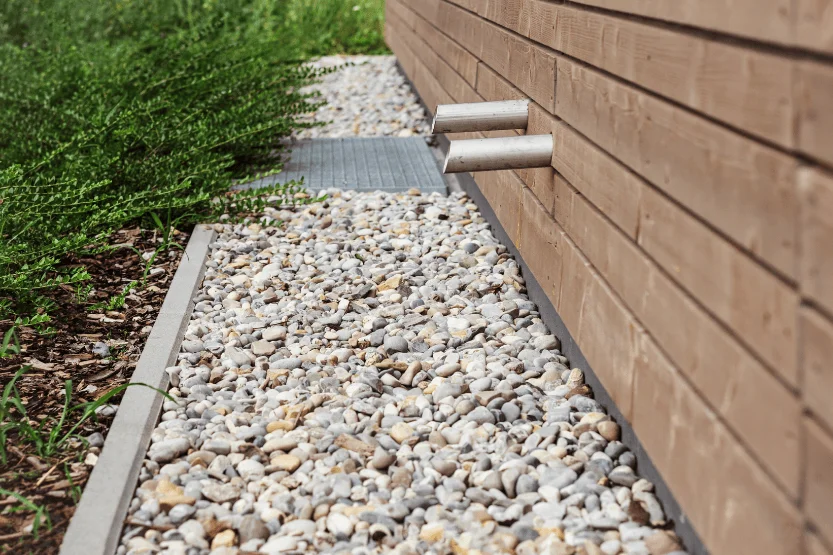
Homeowners comparing yard drainage options often consider a dry creek bed because it creates a visible stone-lined route for runoff. This type of feature generally focuses on guiding surface water rather than addressing moisture trapped throughout the soil.
Hydro-Tech’s listed surface-water option is its River Jack Channel Drain, which helps move water away from highly saturated areas and can connect with downspout drainage and EZ-Flow® systems. For homeowners searching for dry creek bed installation in Northern Virginia, the key question is whether a surface-water channel or another drainage system better suits the property.
The right comparison does not always stop with a dry creek bed, French drain, or catch basin. Hydro-Tech offers additional drainage solutions that can address runoff, oversaturation, and roof water depending on the conditions around the property.
The River Jack Channel Drain is designed to move surface water away from highly saturated areas. It can also work alongside EZ-Flow® drainage and downspout systems when runoff affects a broader section of the landscape.
Hydro-Tech’s Flo-Well® stormwater retention system captures excess water and allows it to gradually leach into the surrounding soil. This can help where poor drainage and stormwater volume contribute to oversaturation or erosion.
Roof runoff can quickly overwhelm the soil beside a home, especially when downspouts release water into the same area during every storm. Hydro-Tech connects downspouts to customized underground piping with catch basins to help divert that water away from the foundation and surrounding landscape.
Rather than choosing a system because it is popular, pay attention to what happens during and after rainfall. Where the water appears, how it travels, and how long the ground stays wet can provide useful clues about the type of drainage problem you have.
Water rarely follows only one path across a property. A yard can have a soggy low area, excessive roof runoff, and surface water moving through the landscape during the same storm. A customized Hydro-Tech drainage plan could combine:
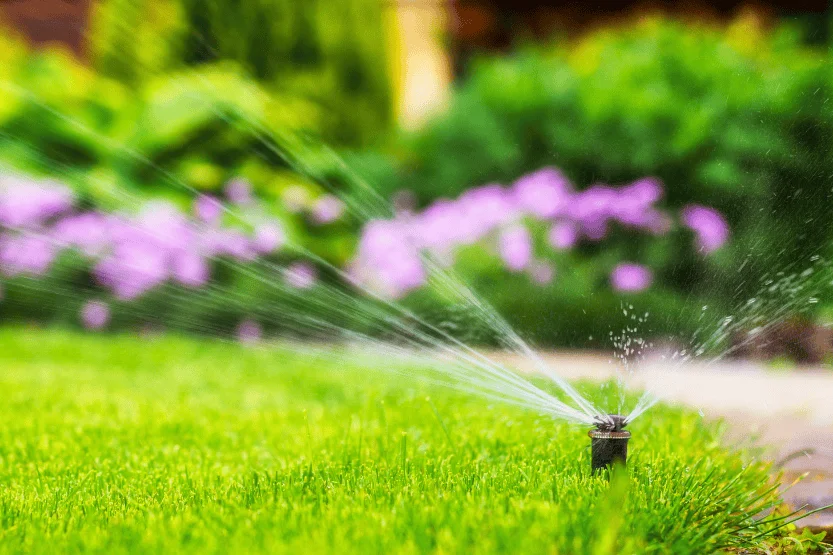
Not every wet spot is caused entirely by rainfall. Irrigation issues can also add unnecessary water to already saturated areas, and installing new drainage without considering existing sprinkler lines can create complications.
Hydro-Tech provides both yard drainage solutions and irrigation system renovations, allowing the two systems to be coordinated when necessary. This helps keep drainage piping and sprinkler components from interfering with one another while improving overall water management around the property.
There is no universal winner in the dry creek bed vs. French drain comparison. French drains, catch basins, surface-water channels, downspout drainage, and stormwater management systems each solve different problems.
Hydro-Tech Irrigation evaluates water retention, downspout runoff, erosion concerns, landscape conditions, and the areas where water collects before designing a customized solution. Working with an experienced landscape drainage contractor in the DMV helps ensure the system reflects how water actually moves across your property.
Persistent puddles, soggy turf, downspout runoff, and erosion are signs that water is not moving through the property effectively. Identifying whether the issue is surface runoff, concentrated pooling, or oversaturated soil is the first step toward choosing the right solution.
Hydro-Tech Irrigation provides customized yard drainage solutions throughout Northern Virginia and surrounding DMV communities. Contact us today to discuss your drainage concerns and find a solution that fits your property.