Sprinkler System Winterization in Northern Virginia: What Happens If You Skip the Blowout?
- weblandscapeseo

Skipping sprinkler system winterization in Northern Virginia can leave water trapped inside pipes, valves, sprinkler heads, and backflow preventers. When that water freezes, it expands and may crack components throughout the system. The damage often remains hidden until spring, when leaks, low water pressure, and damaged zones appear after the irrigation supply is turned back on.
Turning off the main water supply does not remove all the water from an irrigation system. Moisture can remain in underground lines, low sections of pipe, valves, and other components. Once temperatures stay below freezing, that leftover water can turn to ice and place pressure on the surrounding materials.
An irrigation blowout service uses regulated compressed air to clear residual water from each zone. This provides more complete protection than allowing the system to drain on its own, especially when pipes have low points where water naturally collects.
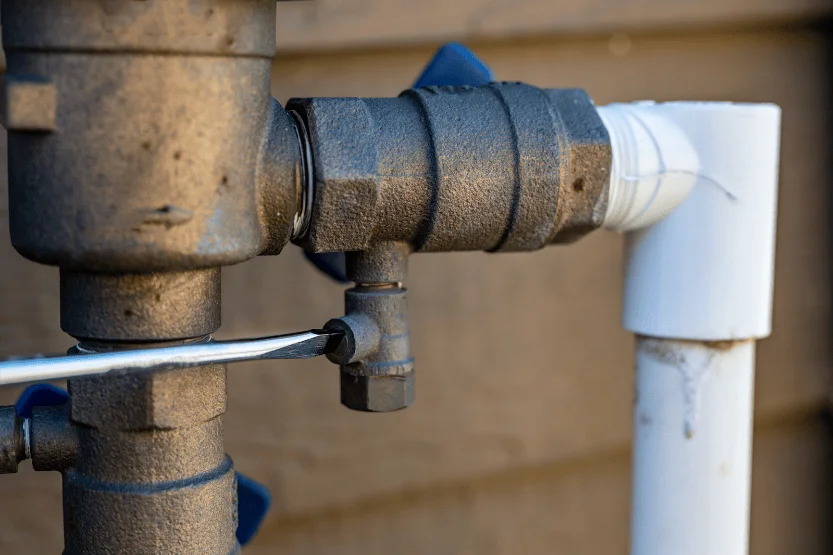
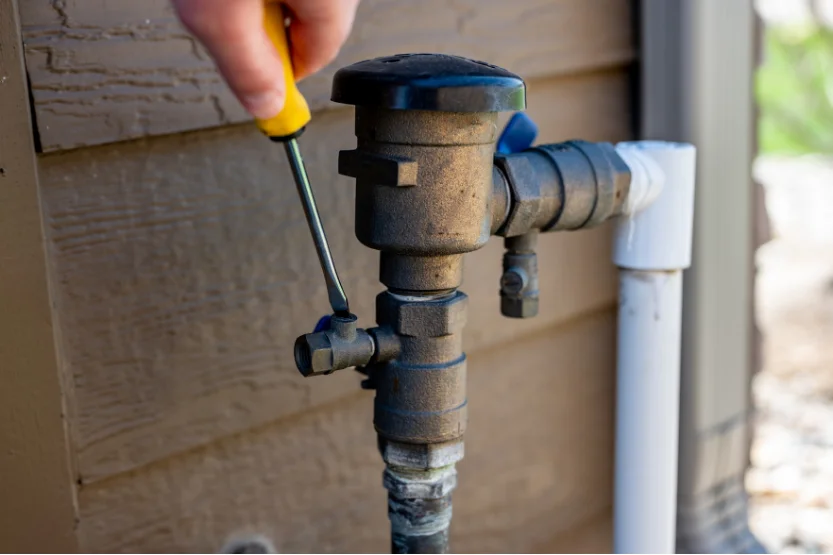
Freeze damage can affect more than one isolated sprinkler head. Because irrigation components are connected, trapped water may cause problems in several areas of the system at once. The parts most vulnerable to winter damage include:
A cracked irrigation component does not always create an obvious problem during winter because the water supply is already off. The damage may only become visible when the sprinkler system is activated again in spring.
Once water begins flowing, homeowners may notice soggy areas, weak sprinkler pressure, zones that do not operate correctly, or water spraying from damaged equipment. Finding the source can require testing several parts of the system, particularly when a split pipe is located underground.
Avoiding a fall blowout may save the cost of one service visit, but resulting repairs can be far more disruptive. Damage may require excavation, replacement parts, system testing, and additional work before normal watering can resume. Common spring consequences include:
Even a small crack can waste water and reduce pressure across an entire zone. That is why professional sprinkler winterization in Northern Virginia is generally more practical than waiting to see whether the system survives the winter.
Manual draining can remove some water, but it may not clear moisture from every part of the system. Water often settles in low sections of pipe, lateral lines, valves, and sprinkler bodies where gravity alone cannot remove it.
A professional blowout sends a controlled amount of compressed air through each irrigation zone. The pressure and airflow must be appropriate for the system because excessive pressure can also harm pipes, fittings, and sprinkler components. This is one reason professional equipment and experience matter.
Hydro-Tech’s winterization season runs from October through early December, and the company recommends completing the service before Northern Virginia experiences its first sustained hard freeze. Scheduling early can also make it easier to secure an appointment before demand rises later in the fall.
Weather does not follow the same schedule every year, so homeowners should not wait for frozen ground or a forecast of prolonged cold. If overnight temperatures are beginning to approach freezing and regular watering is no longer needed, it is time to prepare the system.
A complete winterization appointment involves more than attaching an air compressor and opening a valve. The technician must shut down the water supply, use suitable pressure, clear each zone, and leave the system safely inactive for winter.
The typical process includes:
Hydro-Tech provides commercial and residential sprinkler winterization across Northern Virginia and the wider DMV, including Fairfax, Leesburg, Winchester, Woodbridge, Fredericksburg, and Washington, DC. Our winterization service includes shutting down the irrigation supply, clearing residual water from individual zones, draining applicable pumps and filters, protecting removable backflow devices, and turning off the controller for the season.
Homeowners who want help caring for their systems beyond fall can also explore annual irrigation service plans. These plans connect seasonal winter blowouts with spring turn-on service and ongoing irrigation support, helping the system remain ready from one watering season to the next.
Do not wait for a hard freeze to reveal where water was left inside your sprinkler system. Schedule an irrigation blowout service before sustained cold arrives to help protect pipes, sprinkler heads, valves, pumps, and the backflow preventer. Contact us today to arrange sprinkler system winterization in Northern Virginia and prepare your irrigation system for a safer winter.