Why Your Sprinkler System Has Low Water Pressure (And How to Fix It)
- weblandscapeseo

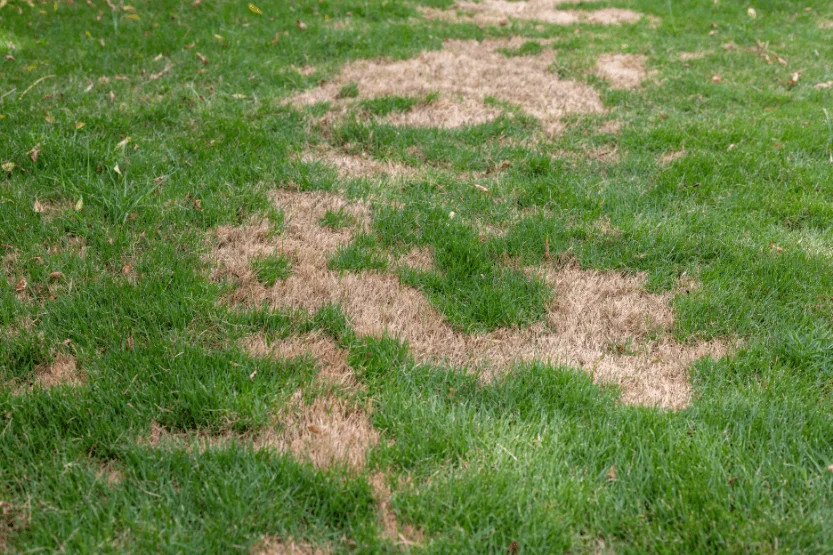
If your sprinkler system suddenly has low water pressure, you may notice weak spray, uneven watering, or dry patches across your lawn. These sprinkler pressure problems often happen because something is blocking water flow or reducing pressure somewhere in the system.
Common causes include clogged sprinkler heads, underground leaks, partially closed valves, or faulty backflow components. Understanding what creates sprinkler low water pressure is the first step toward fixing the issue and restoring proper irrigation coverage.
One of the most common reasons for an irrigation system’s weak spray is debris blocking the sprinkler heads. Dirt, sand, grass clippings, and mineral buildup can slowly clog nozzles and filters, reducing water flow over time. This restriction prevents the system from distributing water evenly across the lawn.
When sprinkler pressure problems start gradually, clogged heads are often the first place to check. Cleaning them can sometimes restore normal performance quickly. Common signs of clogged sprinkler heads include:
How to fix it:
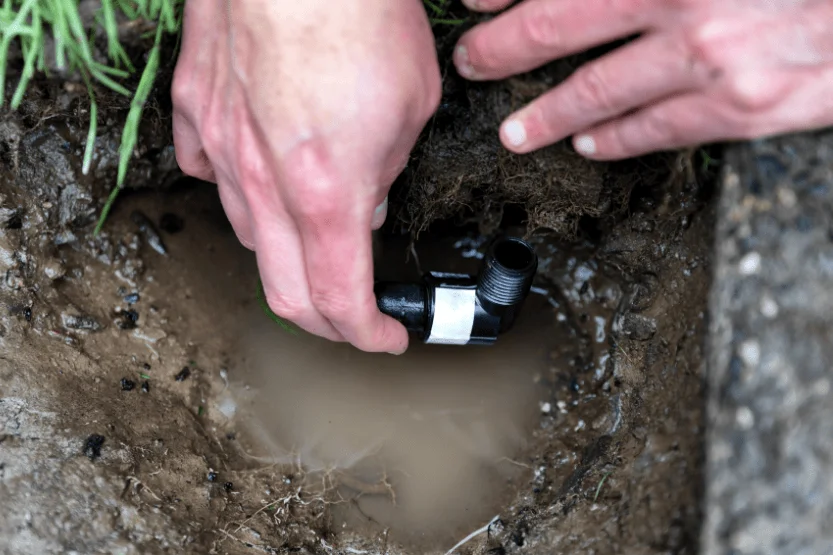
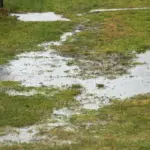
Leaks in underground pipes are another major cause of sprinkler low water pressure. Even a small crack in the irrigation line can allow water to escape before it reaches the sprinkler heads. As the leak grows, the system may lose more pressure and watering performance will decline.
Many irrigation system weak spray issues appear after winter or after ground movement damages pipes. Finding these leaks early helps prevent wasted water and expensive repairs. Common signs of pipe leaks include:
How to fix it:
Another simple but common cause of sprinkler pressure problems is a valve that is not fully open. If the main water valve or zone valve remains partially closed, it restricts the amount of water entering the irrigation system. This can quickly lead to sprinkler low water pressure throughout multiple zones.
Sometimes valves are adjusted during maintenance or winterization and never reopened fully. Checking these components can often solve pressure issues quickly. Valves to inspect include:
How to fix it:
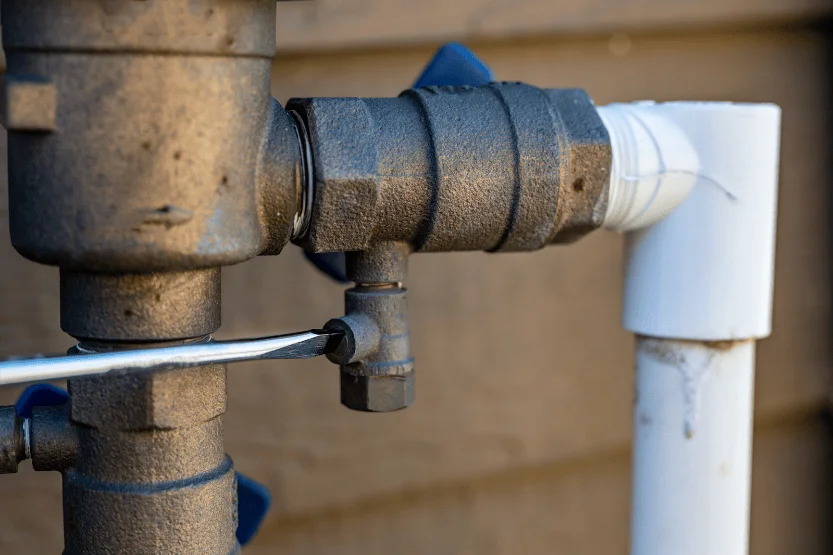
The backflow preventer protects your home’s water supply from contamination, but if it becomes damaged or partially blocked it can reduce irrigation pressure. A malfunctioning backflow assembly may restrict water flow before it reaches the sprinkler zones.
When this component fails, the entire system can experience an irrigation system with weak spray. Because the device controls water entering the irrigation system, pressure loss may affect every zone. Signs of backflow issues include:
Sometimes sprinkler pressure problems occur because the irrigation system design places too many heads on one zone. When a single zone demands more water than the supply can provide, each sprinkler receives less pressure and produces a weak spray pattern.
Older irrigation systems are especially prone to this issue when homeowners add new landscaping areas without adjusting the system layout. Balancing water demand across zones helps maintain proper performance. Possible solutions include:
If you are trying to identify the cause of irrigation system weak spray, a few simple checks can help narrow down the problem. These quick steps often reveal where sprinkler pressure problems begin. Start by inspecting the most common trouble spots in the system.
Quick diagnostic checklist:
When sprinkler pressure problems persist, professional inspection can help identify hidden issues inside the irrigation system. Underground leaks, damaged valves, and failing components often require specialized tools and experience to diagnose correctly.
At Hydro-Tech, we provide expert irrigation repair services designed to restore proper system pressure and reliable watering performance. Our team inspects sprinkler zones, checks valves, identifies leaks, and repairs damaged components so your irrigation system runs efficiently again.
If your sprinkler system has low water pressure, the problem may come from clogged heads, leaking pipes, restricted valves, or system design issues. These sprinkler pressure problems often worsen over time and can lead to poor watering coverage and wasted water.
Professional irrigation repair services can identify the exact cause and restore proper system performance. Contact our irrigation specialists today to get your sprinkler system working efficiently again.